
islamic idea


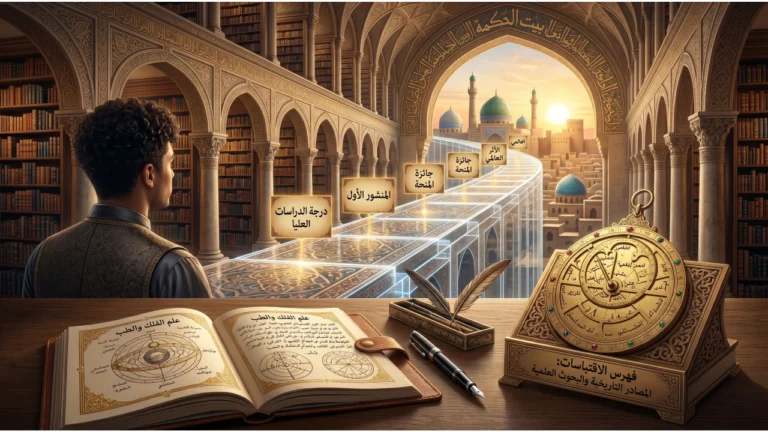
Chapter 15 | Scholarly Development & Long-Term Objectives.
Cultivating the Intellectual Class That Will Carry the Mission Forward INTRODUCTION: THE HUMAN FOUNDATION OF INTELLECTUAL WORK No intellectual institution can sustain itself without people. Ideas do not exist independently of those who produce, refine, challenge, and preserve them. The…

Chapter 14 | Publication, Dissemination & Archiving.
Transforming Research into Enduring Institutional Influence INTRODUCTION: FROM KNOWLEDGE TO IMPACT Research, no matter how rigorous, holds limited value if it remains confined to internal documents or academic circles. The true strength of intellectual work lies not only in its…

Chapter 12 | Mandate & Intellectual Scope of the Research Wing.
Introduction: The Importance of Intellectual Foundations. Every enduring civilisational project begins with clarity of thought before action. Institutions, policies, and social movements cannot sustain themselves without a coherent intellectual foundation. The Research & Intellectual Development Wing therefore forms the conceptual…

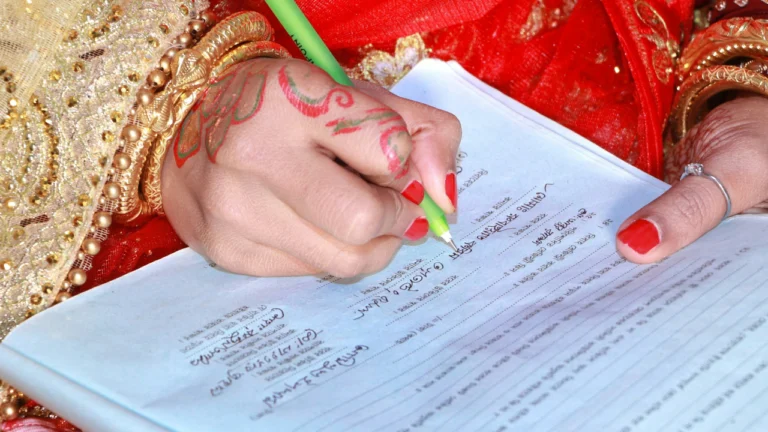
When Should Muslim Boys and Girls Get Married?
Marriage in Islam is not merely a social arrangement. It is half of one’s deen — a foundational act of worship, commitment, and protection. Yet in much of the Muslim world today, marriage has been progressively delayed, complicated, and in…

Chapter 11 | The Group — Foundational Decison Making Body.
Purpose of The Group. Every institution begins before its constitution matures. While the long-term governance framework of the Holding Organisation has been outlined in previous chapters, institutions cannot begin in a procedural vacuum. There must be an initial nucleus —…

Chapter 10 | Why Governance Matters.
Why Governance Matters. Institutional architecture without disciplined governance becomes fragile. Many initiatives examined in earlier units struggled not because of lack of talent, but because authority structures were unclear, accountability mechanisms were weak, or power was concentrated excessively in individuals.…

Chapter 9 | The Plan: Overview of the Holding Organisation Structure.
Why a Holding Organisation Model. The preceding units demonstrated a recurring structural problem: fragmentation. Across intellectual platforms, research initiatives, media efforts, business ventures, and civic engagement, capability exists. What remains limited is coordination. The Holding Organisation (HO) model is proposed…

Chapter 8 | Case Studies and Analyses of Success and Setbacks.
Why Case Studies Matter Abstract diagnosis risks exaggeration. Structural claims require illustration. This chapter therefore examines selected contemporary Muslim intellectual and institutional initiatives to identify recurring patterns—both encouraging and cautionary. The purpose is not to rank, endorse, or criticise specific…

Chapter 6 | Mapping the Current Landscape of Muslim Intellectual Work.
Purpose of This Mapping. Before any meaningful collective reorganisation can be attempted, it is necessary to understand what currently exists. This chapter does not question intentions, assess sincerity, or rank moral standing. Its purpose is to map the present condition…